Packaging Industry
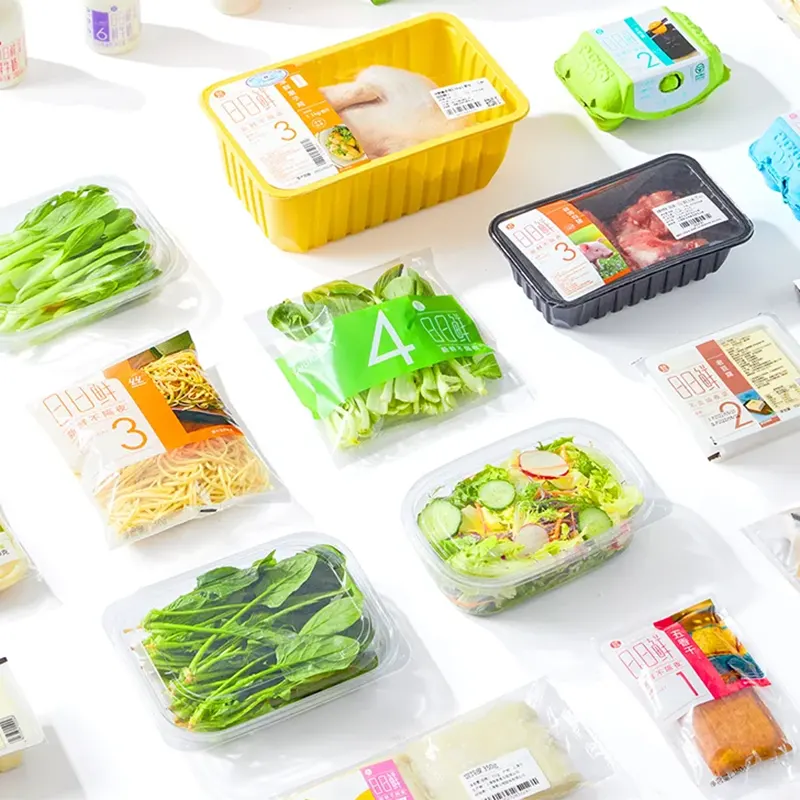
In the food packaging industry, plastics are widely employed due to their suitability for direct contact with food, compliance with regulatory standards, and ability to preserve food quality and safety. Commonly used plastics in food packaging include polyethylene (PE), polypropylene (PP), polyethylene terephthalate (PET), and polystyrene (PS). These materials are used for packaging various food items such as beverages, snacks, dairy products, and ready-to-eat meals. Plastics offer barrier properties that prevent moisture and gases from entering or escaping the packaging, keeping food fresh and hygienic. They also provide convenience features such as resealable closures, microwaveability, and portion control, enhancing consumer experience and convenience.
Furthermore, plastics contribute to sustainability in packaging through lightweight designs, recyclability, and resource efficiency. Recyclable plastics such as PET and HDPE can be collected, sorted, and processed into new products, reducing environmental impact and promoting circular economy principles. Innovations in bio-based and compostable plastics also offer alternatives to traditional petroleum-based plastics, further advancing sustainability efforts in the packaging industry.