Ethylene-Vinyl Acetate Copolymer
Ethylene-Vinyl Acetate Copolymer
Ethylene-vinyl acetate, also known as EVA, is a copolymer of ethylene and vinyl acetate. The weight percentage of vinyl acetate typically ranges from 10% to 40%, with the remainder being ethylene. EVA copolymers come in three different types, which vary in their vinyl acetate content and material usage.
Properties of Ethylene-Vinyl Acetate Copolymer
Melting Point: 75 °C
Boiling Point: <200 °C
Density: 0.948 g/mL at 25 °C
Flash Point: 260 °C
Solubility: Soluble in toluene, tetrahydrofuran, and methyl ethyl ketone
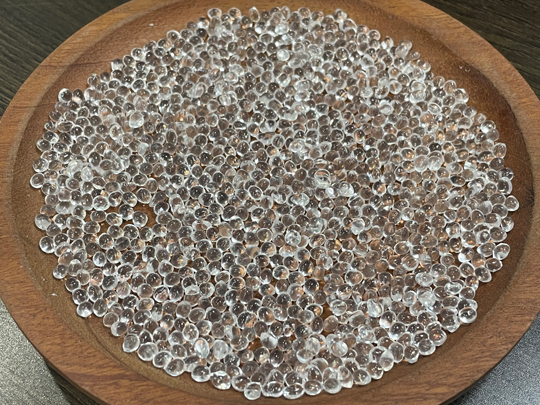
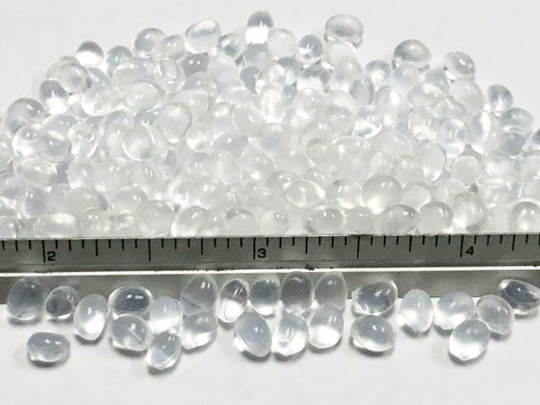
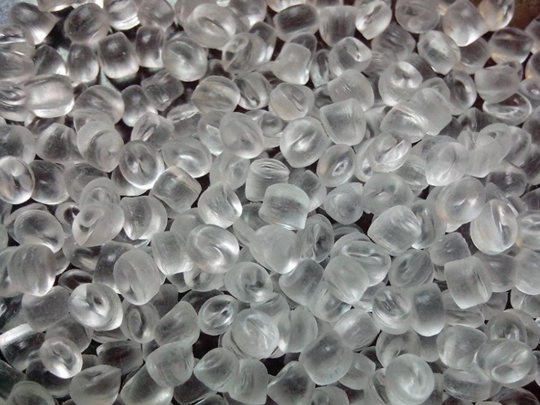
Form: Granules
Stability: Stable. Combustible. Incompatible with strong oxidizing agents and alkalis.
CAS Database Reference: 24937-78-8
Indirect Additives Used in Food Contact Substances: Poly(ethylene-vinyl acetate)
U.S. FDA: 21 CFR 175.300; 177.1210
U.S. EPA Substance Registration System: Ethylene-Vinyl Acetate Copolymer (24937-78-8)
Description
Ethylene-vinyl acetate copolymer exhibits good impact resistance, stress crack resistance, flexibility, high elasticity, puncture resistance, chemical stability, excellent electrical properties, good biocompatibility, low density, and compatibility with fillers and flame retardants. It is primarily used in plastic products.
Physical Properties
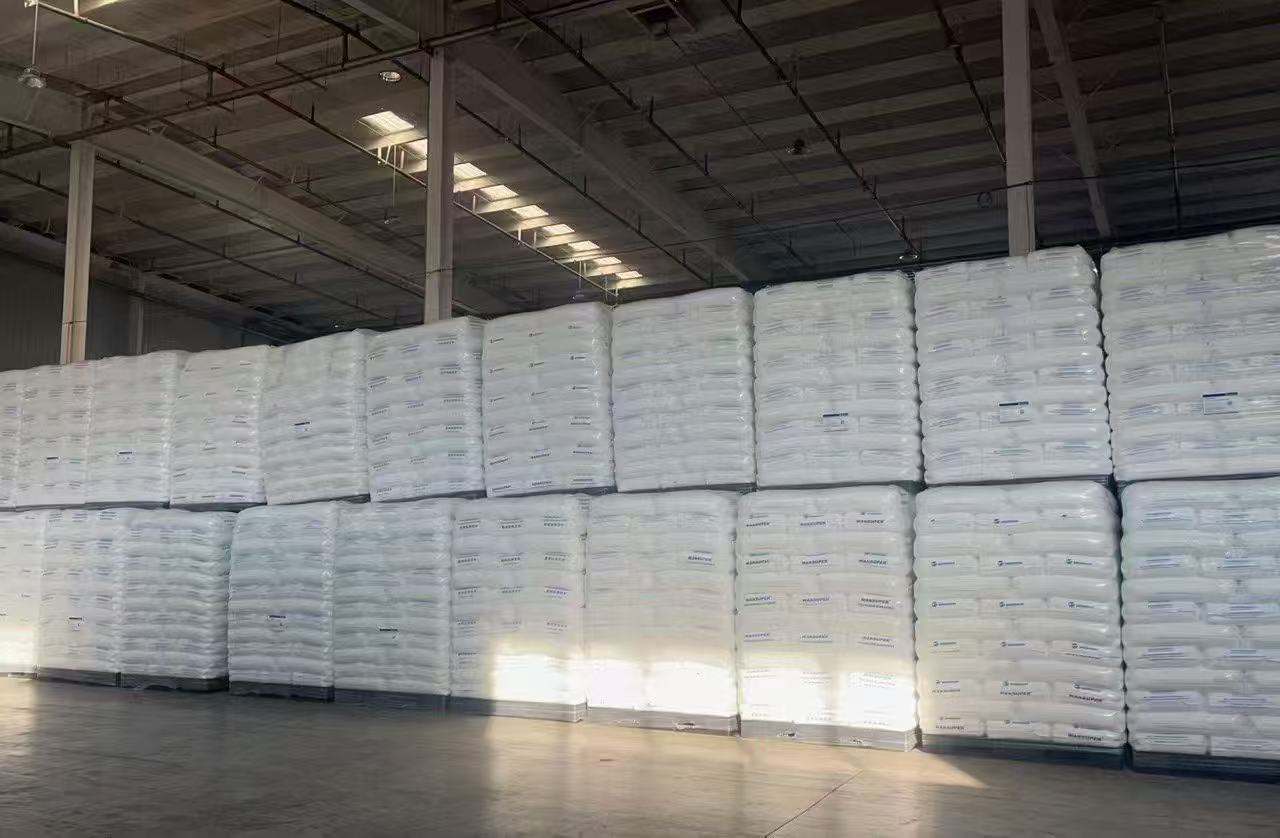
Ethylene-vinyl acetate is supplied as a white waxy solid in granular or powder form. Films are semitransparent.
Uses
Flexible tubing, masterbatches, automotive gaskets and molded parts, plastic lenses, and pumps.
Definition
An elastomer used to improve adhesion performance in hot-melt and pressure-sensitive adhesives, as well as for coating conversion and thermoplastic plastics.
Production Methods
Random ethylene-vinyl acetate copolymers of varying molecular weights can be obtained through high-pressure free radical polymerization, bulk continuous polymerization, or solution polymerization.
Overview
Poly(ethylene-vinyl acetate) (PEVA) is a flame-retardant material with good mechanical and physical properties. It is mainly used as an insulating material in the wire and cable industry.
Pharmaceutical Applications
Ethylene-vinyl acetate copolymer is used as a film and backing material in transdermal patch delivery systems. They can also be incorporated as components into backing materials in transdermal systems. Ethylene-vinyl acetate copolymer has been shown to be an effective matrix and membrane material for controlled release of atenolol, terfenadine, and furosemide. Controlled release systems for atenolol can be further developed using ethylene-vinyl acetate copolymer and plasticizers.
Safety
Ethylene-vinyl acetate is primarily used as a local pharmaceutical film or backing material. It is generally considered a relatively non-toxic and non-irritating excipient.
Storage
Ethylene-vinyl acetate copolymer is stable at room temperature and should be stored in a cool, dry place. Ethylene-vinyl acetate copolymer films should be stored in an environment between 0-30°C with relative humidity less than 75%.